Two unlikely No Joe Schmo professions coming together: building LEGOs and baking cupcakes! (And they’re totally edible.)
(via The Cupcake Blog)
Cool and crazy jobs – and how they got there.
Two unlikely No Joe Schmo professions coming together: building LEGOs and baking cupcakes! (And they’re totally edible.)

(via The Cupcake Blog)
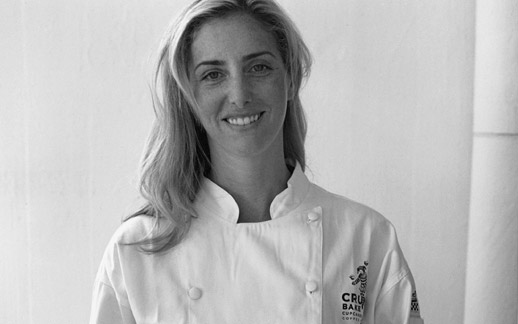
With a law degree and no professional training in baking, Mia Bauer and her husband, Jason, decided to start a small bakeshop in Manhattan’s Upper West Side. It was love at first Vanilla Coconut cupcake.
Almost ten years later, Crumbs Bake Shop churns out 1 million cupcakes per month at 36 different locations across the country. (That’s almost 1,400 cupcakes per hour.) Below, Bauer talks about her favorite non-cupcake dessert, the importance of doing what makes you happy, and the new delicacy coming to the sweets franchise this fall.
Title: Co-founder, Crumbs Bake Shop
Age: 42, but I feel 16
Graduated from: Brandeis University, B.A. in political science; J.D. from New York Law School
Previous jobs: Lawyer for the New York City Council
Job description in two sentences: I manage the baking, the creative end of business, and the front-of-counter experience of Crumbs, which means the customer experience. I’m constantly developing new flavors and varieties, as well as working closely with our customer service team to ensure that we offer the same customer experience as when we first opened on the Upper West Side.
How did your background in law translate to the food industry? [My husband] Jason and I always said that we should open a diner, because he would love to be a short-order cook and I loved waitressing. We went all in and didn’t really look back.

Why cupcakes? When I started dating Jason, we decided to combine our skills and open our first neighborhood bakery on the Upper West Side. When we first opened our store, the cupcakes were vanilla, chocolate, lemon, or strawberry, maybe with sprinkles.
But you weren’t the only game in town. We were the first bakery to create cupcakes with unique fillings, frostings, and decorations that had never been done before. Vanilla Coconut was one of my first creations. It consisted of vanilla cake frosted with rich vanilla cream cheese frosting and topped with just the right amount of sweet shredded coconut.
So you didn’t just sell cupcakes? While we made a variety of baked goods, it was our cupcakes that sold out every day, so we decided to expand and continued to grow our cupcake selection. Our gourmet cupcakes have now become the industry standard.
Have you always had a sweet tooth? Yes! Although I haven’t had any professional training, baking has always been my passion. I was constantly baking growing up, and my parents were good sports because they always told me it was delicious.
How does Crumbs stand out from the conglomerate of cupcakeries? We’re always keeping our selection fresh by debuting a new Cupcake of the Week each Monday and a Cupcake of the Month. We just added a Tasty Treat of the Week to showcase some of our amazing non-cupcake desserts.
What is July’s Cupcake of the Month? S’mores. It’s chocolate cake filled with vanilla cream cheese frosting, topped with chocolate cream cheese frosting and covered with chocolate chips, marshmallows, and graham cracker pieces.
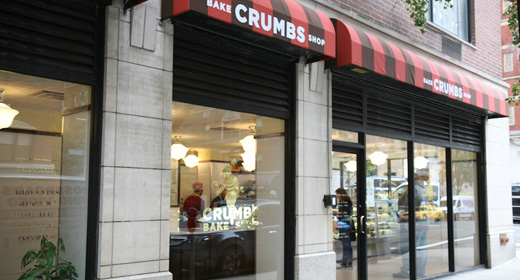
Something people don’t know about your job: I miss being behind the counter at our original location on the Upper West Side.
Best part of your job: I don’t mind the constant taste-tests. But working with my husband and best friend on a day-to-day basis is one of the best parts.
Most challenging part of your job: Finding a balance.
What’s your secret to to decorating each cupcake? I’ve always believed you need to make it personal. When you are decorating a cupcake, it should make you happy, so make it look and taste however makes you feel good.
Cupcakes sold per month: About 1 million.
Best-selling cupcake: Red Velvet.
Favorite cooking show: Barefoot Contessa has always been my inspiration; her recipes are flawless and so delicious, and her relaxed presence and confidence in the kitchen feels like a soothing meditation. I’m also obsessed with Diners, Drive-Ins and Dives because the talent that exists in all corners of our country amazes me.
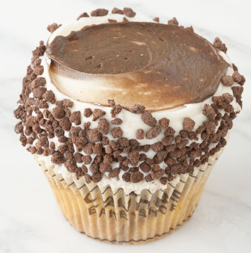
Favorite cupcake: The Milkshake Cupcake, which is a marble cake filled with vanilla cream cheese frosting and mixed with chocolate sandwich cookie crumbs. Then it’s topped with vanilla cream cheese frosting and a chocolate cream cheese frosting swirl edge with chocolate crunchies.
Favorite non-cupcake dessert: Second to cupcakes, I’d have to say crumb cake, which we are about to offer in the fall.
LAUNCHING YOUR CAREER>>
Mia Bauer reveals her surefire recipe for sweet endings: Surround yourself with a fantastic team, and never stray from your original idea and beliefs. Be willing to work hard in the beginning and take a few risks.
Follow Crumbs on Twitter at @CRUMBSbakeshop and on its Facebook page. All photos courtesy of Crumbs.com.
PLUS: Check out more Foodie Fridays on No Joe Schmo!

I don’t know how the unemployed spent their time before social media.
After graduating from Syracuse University, while in my wait, I’m not in college anymore? slump, I spent a good portion (okay, a very good portion) of my time on Twitter. For the most part, my news feed was rife with articles about the spike in recent grads moving back home and the crushing unemployment numbers. Sigh.
Then, one morning, I noticed that a senior editor at The Huffington Post (whom I followed) had re-tweeted a tweet from HuffPost’s technology editor (whom I didn’t follow) about an opening in the department. Not only had I long dreamt of writing for The Huffington Post, but I was extremely passionate about technology. It was the ideal opportunity.
Ignoring the little voice that told me it was ridiculous to expect a reply email, much less an interview, I sent along my resume and cover letter to the email address listed in the tweet. Hours later, I had set up an interview – and a few weeks later, I had nailed the position.
But finding a job on Twitter isn’t just a matter of luck. Get the most out of your search by following these tips and suggestions.
1. Establish yourself as an expert and choose a niche for your tweets. It’s more important to have a specialty on Twitter rather than a stream of consciousness. In other words, if you’re looking for a job in health and nutrition, tweet about industry news and trends and re-tweet authorities in the field. That said, be sure to maintain a voice and personality. Tip: sites like Klout measure and help to build your online social influence.
2. Heard the phrase, It’s who you know, not what you know? Now, it’s about who you follow. Do a little digging on companies you’d like to work for; in addition to simply following their corporate Twitter account, find their top executives on Twitter — or editors and columnists. (Since I loved The Huffington Post and technology, I should have already been following the tech editor.) Some companies even have separate recruiting accounts, like @VerizonCareers and @WSJcareers, which solely post job news.

3. Participate in hashtag chats. These are organized conversations where users interested in a particular topic can join and contribute with a given hashtag, such as #careerchat. Hashtag chats make it easy for anyone watching along to identify the chat. They are excellent opportunities to network, increase your influence, and learn about a topic. Check out Mediabistro’s 15 hashtag chats to follow.
4. Tweet directly at people or companies you admire. But make each of those 140 characters count! Ask intelligent questions, or comment on company news; many companies use their Twitter accounts to boast corporate accomplishments and post links. This increases your likelihood of getting noticed by a job recruiter – and, more importantly, starting a conversation.
5. Use Twitter’s list feature. If you’re like me and are following 1,000+ Twitter accounts, it’s easy to miss some important tweets throughout the day (potentially ones about job openings). Creating lists allows you to organize the people you’re following, and then easily scan through tweets later. In other words: exclude your annoying friends that tweet 50 times per hour about shopping and their cute dogs.
Any tips for finding a job on Twitter that I missed? Want to share your Twitter success story? Comment below! You can also find me at @mhess4.
Check out other tips & advice from No Joe Schmo, such as ways to create virtual business cards and maximize your resume.
It’s almost the end of July, which means taking a look back at the top-shared and top-viewed posts within the past month. And the winners are…
> The Filmmaker & The Film Editor
> Foodie Friday: The Head Beer Brewer
Which was your favorite? Who would you like to see a Q&A with in the future? Comment below!

Elizabeth Harmetz does more than 100 sit-ups per day to keep in shape for the opera.
Harmetz, a Los Angeles-based opera singer who also teaches vocal empowerment, says singing opera is like competing in sports – abdominal support, physical strength, and lung capacity are all important factors. In addition to the sit-ups, she schedules regular cardio workouts and practices singing for more than an hour each day.
Her repertoire includes playing Eliza Doolittle in My Fair Lady and Cinderella’s evil stepmother in Into The Woods. In an industry increasingly focused on youth and beauty, Harmetz remains optimistic in the face of rejection because of the sublime feeling of music taking over her body, she says. Which is much like a hot fudge sundae.
Age: Age isn’t given in this profession.
Graduated from: San Francisco Conservatory of Music, Master’s degree in vocal performance
Studying opera for: 22 years
Voice type: Soprano
Previous jobs: Resident artist at the Central Florida Lyric Opera
Did you sing and perform as a little kid?No. Since age 6, I wanted to be a musical theater star, but it was a secret dream. I didn’t tell anyone.

But eventually, you did. I found a singing teacher at age 18 who introduced me to opera and told me that my voice was well suited to it. The energy it gave me – it was sublime.
What would you compare it to? A hot fudge sundae.
Something people don’t know about your job: To be an opera singer is to be an athlete; you use your entire body, not just your neck up. So you need to be physically strong, with abdominal support and lung capacity.
What’s your workout regimen? I do at least 100 sit-ups per day, and cardio workouts regularly. My ribcage has expanded, and I’ve probably grown in height about 1.5 inches since I started singing opera.
Why is that? I don’t chronically compress my spine anymore. You use your whole spine to sing, so my torso is essentially like a big beer barrel. It expands from the waist to upper chest.
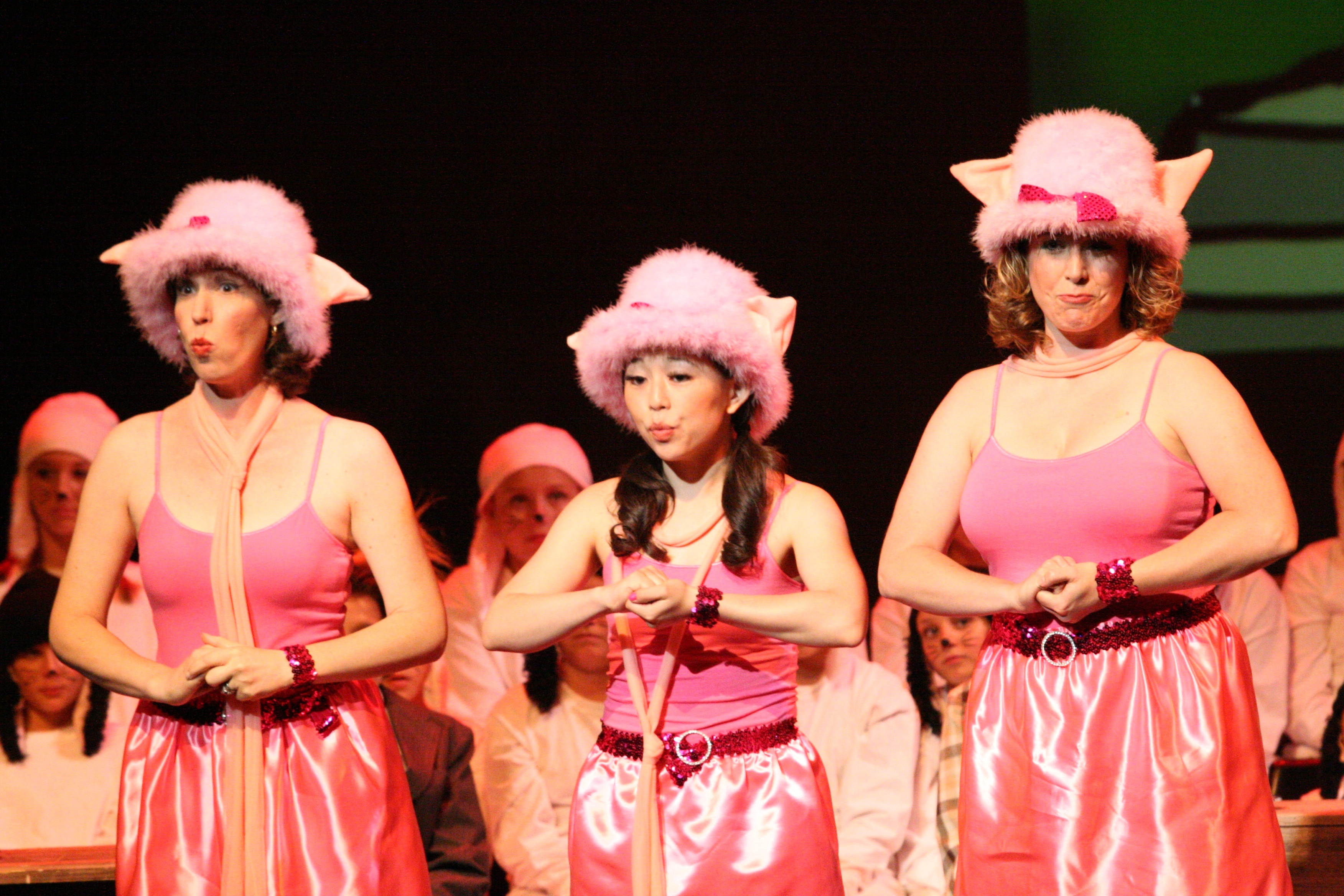
Pre-show routine: I keep stress and talking to a minimum. I’ll do some gentle physical activity, like walking, and eat an early dinner at 4 p.m. Shows are usually right at dinnertime, but I can never eat for an hour or two before I perform.
First thing you do after a show: Eat. I’m very quiet.
Where were your first gigs? While getting my Master’s, I did lots of “gigging” at weddings and nursing homes – anywhere they’d pay me. That gave me a taste of the industry, so after school, I began doing solo concerts at upscale retirement facilities.
Do you still sing at weddings? Not as much. There’s too much classical crossover music.
Go-to songs: “I Could Have Danced All Night” from My Fair Lady, “Can’t Help Lovin’ Dat Man” from Show Boat, and “Musetta’s Waltz” from La Boheme.
Are those what you sing in the shower? I don’t sing in the shower – or the car, for that matter. Whenever I sing, I have to be very focused on the task at hand.
Watch Elizabeth as Cleopatra in Julius Caesar:
Dream job in high school: I wanted to be the first professional women’s baseball player. By 18, though, I wanted to be an internationally renowned opera singer.
Best part of your job: The sheer joy of being immersed in a character and a production.
Worst part of your job: Constant rejection. That’s the other part that people don’t think about – they don’t understand how challenging the industry is. It’s very hard to be older than 30 in this job, because most operas want that “young” perception.
Doesn’t your voice progress with age? That doesn’t matter as much anymore.
How do you stay optimistic? [Singing opera] is my calling, so I don’t have a choice. I’m going with the needs of my soul, and I also enjoy supplementing my income with teaching voice lessons.
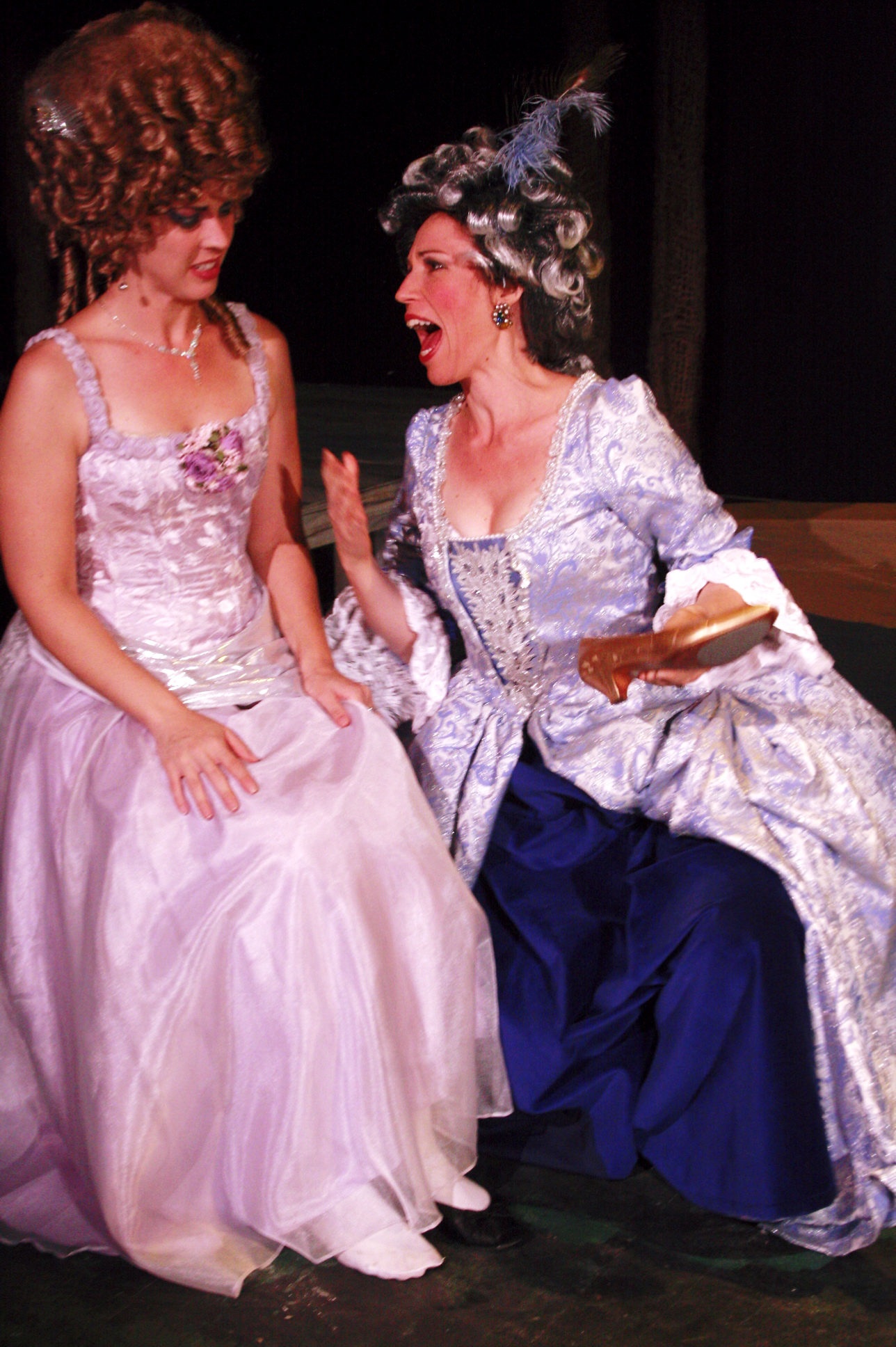
Is the saying “It’s not over ‘til the fat lady sings” actually used in the business? The fact of the matter is, most singers aren’t fat anymore. International opera companies are transmitting performances in high-definition to movie theaters, so looks are becoming more and more important.
Favorite Broadway show: That’s too hard – I’ve seen hundreds! The first one I ever saw, though, was Annie, with the original cast. That gives you an idea of my age.
Favorite singer: Patti LuPone.
If you had unlimited money and resources, what business would you start? A scholarship fund for older, struggling sopranos – people who age out of competitions.
LAUNCHING YOUR CAREER>>
1. Many large regional operas have young artist development programs, which are fantastic introductions to the industry. The cutoff age is usually 30 or 35. [Check out The Metropolitan Opera’s program here.]
2. Focus on opportunities that have impact and meaning. Playing at retirement homes brings people such joy – it’s a wonderful feeling. I also love performing with a group called Once Upon An Opera, which brings classical music to children.
3. If you feel that singing is in your blood, then never give it up. Never stop working on your craft.
All photos courtesy of Elizabeth Harmetz.
EVEN MORE No Joe Schmos who sing: The Elvis Impersonator and the Hot, Young, & Single Circus Ringmaster.
 No Joe Schmo