Bull Riding: The 8 Most Dangerous Seconds Ever

"Technically, I am a cowgirl," bull rider SaVannah Tallent says. "But some of my friends and I refer to ourselves as cowboy-girls."

It has the highest rate of injury of any rodeo sport and accounts for about half of all traumatic injuries to rodeo contestants. It’s not a matter of if you get hurt, but when.

But those stats don’t stop SaVannah Tallent, 21, from pursuing a career in bull riding. “There’s just something about bucking horses that stirs up my soul,” she says. “I can’t ignore it.”

The North Carolina native has dreamed of riding bulls since age 5, but faced firm pushback from her community, who didn’t believe it was an appropriate sport for girls. And though she still hasn’t stayed on a bull for a full eight seconds – the required time for professional riders – she’s well on her way.

Below, Tallent discusses the required garb, the importance of self-esteem, and the scariest part of being charged at head-on. And no, it’s nothing like riding a mechanical bull.

Age: 21
Hometown: I don’t have one. I was born in North Carolina, but grew up on cattle ranches across Georgia, Florida, Oklahoma, and Virginia.
Graduated from: Majored in biology/chemistry at Tulsa Community College in Tulsa, Okla., but never finished.
In the industry for: Mentally, since age 5. Physically, just over a year.
Previous jobs: Ranch hand, cowhand, horse buster

How your aspiration began: When I was 5, my older brother, then 6 ½, rode a Holstein calf for the first time. I wanted to try, and [the ranch hands] told me I couldn’t because I was a girl. From then on, I watched bull riding on TV every chance I got and begged to go to rodeos.

Practicing with a farm hand.

How you made it a reality: I didn’t know a soul who rode bulls, which made things more difficult to get started. When my family moved from Georgia to Oklahoma, I attended a one-day clinic called the Monster Bull, where I rode for the first time. An ex-bull rider I met there, Jocelyn Martin, helped me get more involved.

Time required to stay on bull: 8 seconds.

Your record: I haven’t made it to 8 yet, but I’m practicing.

How do you “win”? Two judges score the bull and rider separately. The bull is scored on how well he bucks, on a scale of 1 to 25. The rider is scored on how well he rides, also on a scale of 1 to 25. Those scores are added for the final score.

Bull-riding attire: In addition to normal jeans and Western shirts, we’re required to wear a protective vest, protective mouthpiece, riding gloves, and boots with bull-riding spurs. I also choose to wear a helmet.

How do you prepare for a ride? I stretch out my rope and knot it. Then, with someone spotting me, I’ll coax my way on top of the bull and set my rope atop the bull’s shoulders. I’ll tighten it up and wrap the tail of the rope around my hand, get into position, and put my free hand in the air. At your nod, they open the gate and the bull comes out. After eight seconds, the buzzer goes off.


Do you feel intimidated as a female in the sport? Bull riding is definitely male-dominated, but the sport isn’t man against man; it’s man against bull. That bull doesn’t care if you’re male, female, or a monkey – he’s still going to buck just as hard.

Are the bulls trained? Yes. They’re trained to buck, just as dogs are trained to sit.

Photo: viva-freemania

Has one ever charged you? On the ranch and in the arena! Cows will do it, too. Bullfighters are in the pen to distract the bull while you’re getting off – basically, to save your life.

Best part of your job: That moment right before you nod your head for the ride to begin.

What’s going through your head at that moment? I picture the movements in my head, but I stay pretty still and quiet. I’ve never been one to get psyched up.

Most important quality in a bull rider: A can-do attitude. It’s part physical and part mental.

Does it resemble riding a mechanical bull? No! A mechanical bull doesn’t have the forward movement like a real bull does. And you never get stepped on by a machine.

Are the bulls treated cruelly? Just like there are bad dog owners, there can be bad stock contractors. But to most contractors, the bulls are their babies – their pride and joys. You can walk right up and pet some bulls, although I would not recommend that.

Long-term goals: To ride bulls, saddle broncs, and do bareback riding. There’s just something about bucking horses that stirs up my soul – I can’t ignore it. I hope to have quite a few titles under my belt, and to be teaching and helping other girls who want to ride.

Photo: hatsshoping.com

LAUNCHING YOUR CAREER>>
1. This profession doesn’t necessarily require a college degree. Instead, it takes years of experience you can’t get in a building or online somewhere. Start practicing by making a rodeo bull dummy to perfect your form.

2. Join an association, even if you’re not pursuing bull riding as a career. Two important ones in the industry include Professional Bull Riders, Inc. (PBR) and Professional Rodeo Cowboys Association (PRCA).

3. Ladies: don’t listen to the nay-sayers. You can do anything as long as you’ve got the heart, the try, and the willingness to put forth the effort. Sometimes, you’ve got to believe in yourself before others can believe in you.

Unless otherwise noted, all photos courtesy of SaVannah Tallent.

Check out other No Joe Schmo adventurers:

The Permanent Makeup Artist

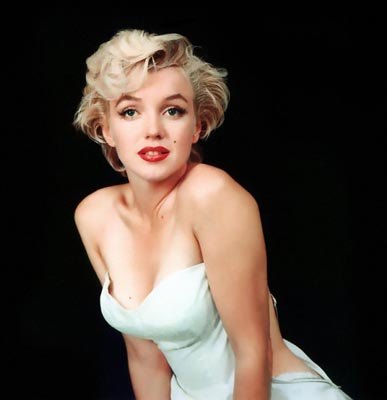
We’re guessing that Marilyn’s lips weren’t enhanced. Or were they? Photo credit: topnews.in

The trick to making money today, Michael Katz says, is finding something that not a “thousand zillion people are doing already.”

For him, that something is surgically tattooing makeup onto people’s faces. Katz has never been a typical 9-to-5 person, and now, as the owner of Miche Permanent Cosmetics (pronounced mee-SHAY), he is one of fewer than 70 professional technicians in New Jersey.

In addition to working on women’s eyes, eyebrows, and lips all day, Katz trains aspiring cosmeticians at Miche. The job allows him to take center stage – just the way he likes it – and maintain a side job of coordinating singles cruises to the Bahamas. Below, Katz discusses his golden rule, the startling costs of procedures, and how to be diplomatic with customers who want Spock-like eyebrows.

Age: 52
In the makeup business for: 14 years
Graduated from: Queens College
Trained by: Alexis Lawson, creator of SofTap, Inc.; Sandi Hammons of Premier Pigments
Previous jobs: Bass player; used car dealership owner; CPR teacher for the American Red Cross; makeup salesman, technician, and artist at various top spas across the country

Services offered at Miche: Aesthetic tattooing, including eyebrows, eyes, lips; and medical tattooing, like areola restoration, restoring hair follicles, scar camouflage, and correcting cleft palettes.

Katz goes for a more natural look. Photo: mybeautyblog.co.uk

By “eyes,” do you mean tattooing on blue eyeshadow? No. I stick to natural requests, like eyelash enhancements, or tattooing on netural-colored eyeliner (in black or brown). I made an exception for one woman who worked as a Marilyn Monroe impersonator and needed the big 1940s eyebrows and ruby-red lips.

Equipment used: Sterile needles, which implant color under the skin like a tattoo, and a two-coil tattoo machine. Eyebrows hurt the least, but we use topical anesthetics to make procedures more tolerable. Lips are torture, so a nearby dentist numbs my clients by injection so they don’t feel anything.

How are tattoos and permanent makeup different? We don’t go as deep, and we use cosmetic pigments instead of tattoo dyes for a more natural-looking result. The tradeoff is that tattoos easily last 20 years, but permanent makeup often only lasts two to five years.

So it’s not really “permanent,” then. In my opinion, it’s more about enhancing and defining features on your face, or creating an illusion. Instead of permanent makeup, we should call it “semi-permanent definition.” [Laughs.]

Did you always love makeup? Not really. But I’ve always looked for careers that are unique and interesting.

So why this profession? The trick to making money today is finding something that not a thousand zillion people are doing already. There are less than 70 professional technicians in New Jersey. As a regular makeup artist, I attended trade shows where I saw permanent cosmetics — and thought it was the bomb. I was fascinated by it, so I got into the field.

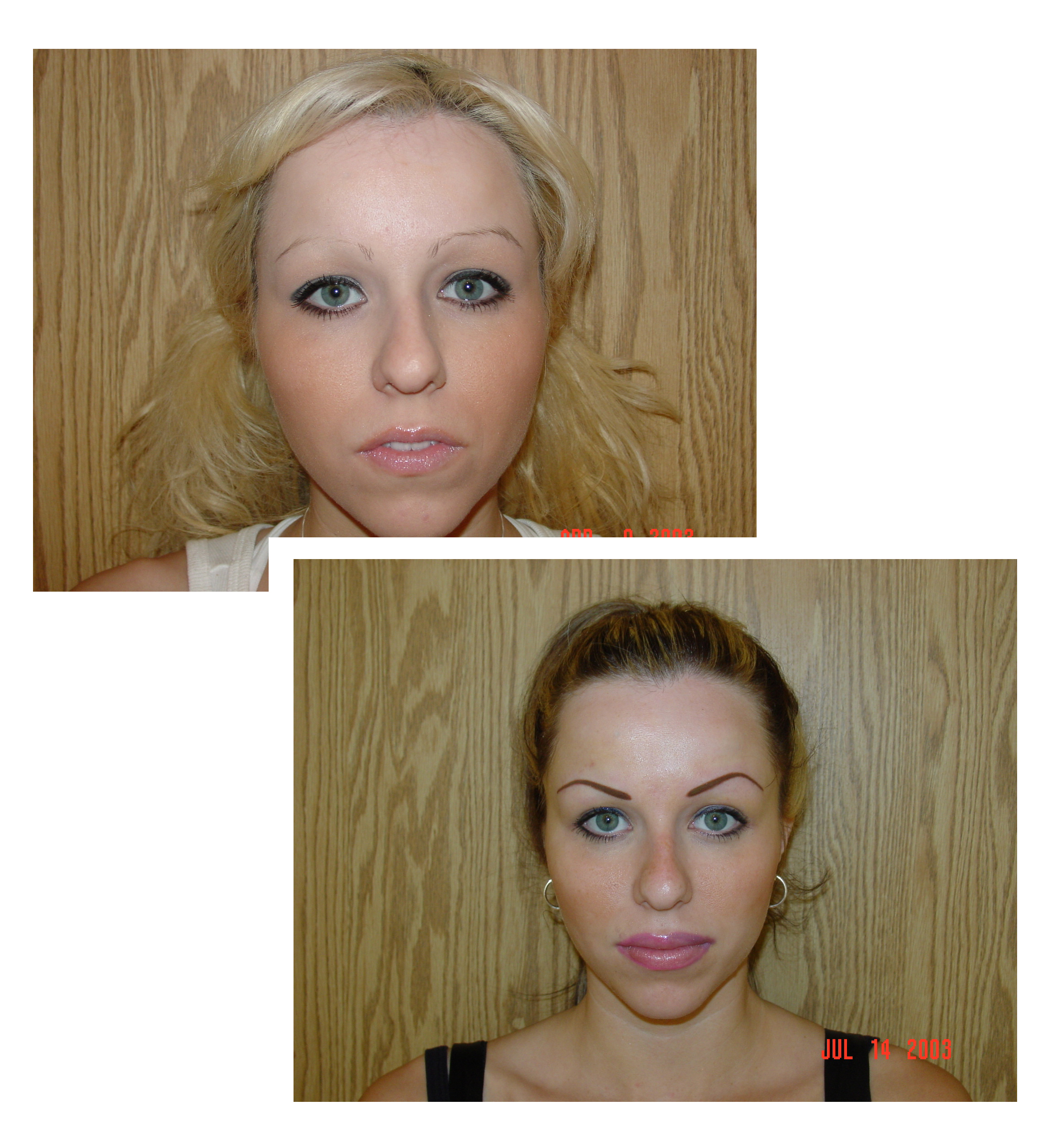
Eyebrow enhancements at Miche, circa 2003. Photo: Michael Katz

What made you decide to start your own business? In New Jersey, if you do permanent makeup in a day spa or salon, you get fined. My options were limited to working in a doctor’s office or opening my own place, and the state asked me to open a training center. So I opened Miche eight years ago to do procedures and run accredited training courses.

Perks to owning a business: Being your own boss. On the side, I’m also a cruise coordinator for singles groups in Florida. I sail from the Bahamas to Europe to Alaska, and I think I’ll be doing that forever.

Hardest part of owning a business: Cold calling and knocking on doors when I first started. Now, my business sells itself through word of mouth and my website.

Main clientele: Primarily women in their 40s, 50s, and 60s. Typically, clients don’t come in because they’re lazy about doing their own makeup – they come in because they’re missing half an eyebrow or have very thin lips. We augment them to make look more natural.

Cost of procedures: $500 for eyebrows, upper and lower eyes, or lip line. Upper or lower eyes only are $ 300. It’s $750 for lip lining and filling lips.

Preparation for a procedure: On average, each procedure takes an hour and a half. The preparation is half of that time – before-and-after photos, numbing the area, consent paperwork, and discussing shape and color.

Best part of your job: Meeting people from every walk of life. No two eyebrows are the same, no two eyes, no two lips.

Most challenging part of your job: Perfecting my radar with people so they’re not wasting time or money. I will diplomatically tell someone that permanent makeup can make them feel younger and look good, but it won’t save their marriage. I screen my students to make sure they have potential.

What types of students enroll in your course at Miche? Lots of people who are in the midst of a total life change – they may be changing careers because of the economy, or because of a divorce, or because they’re bored with life.

“Some customers want eyebrows out of Star Trek,” Katz said. “In a week, they’d be back with their lawyers, so I have to be diplomatic and say no.” Photo: krcarnes17.wordpress.com

Do you get nervous that you could totally mess up someone’s face? In the beginning, I was like, oh my God, talk about responsibility. I was scared to death! Now, my golden rule is that less is more. I work very conservatively.

As a male in a female-dominated industry, do you feel out of place? Having a good rapport with customers counts more than whether you’re a man or woman.

If you had to work at a desk job: I’d probably cry my eyes out.

LAUNCHING YOUR CAREER>>
Michael Katz gives the low-down on the chops to permanently alter faces.

1. Find out the regulations in your city or state for permanent makeup. Most schools won’t tell you this; they’ll just train you and send you off, but state regulations control where you can practice.

2. Search for a training program that is certified by the American Academy of Micropigmentation (AAM) or the Society of Permanent Cosmetics Professionals (SPCP). Some fly-by-night schools in New York City teach doing eyebrows on a grapefruit. At Miche, we use live models after students have completed their 60 hours of training.

3. You don’t need to be a makeup artist, but you do need to be able to deal with people. I’ve had successful bankers and nurses come through my classes because it’s something they’ve always wanted to do. Do your homework and decide whether this is something you’ll enjoy; you can’t be squeamish and refuse to use needles.

Are you a potential client? Search for a board-certified technician, and ensure their certification is recent. Ask: (1) How long have you been doing this; (2) How much does it cost; and (3) How much does it hurt?

Find out more about Miche Permanent Cosmetics on the company’s Facebook page.

What’s your opinion on permanent makeup? Would you agree to have eyeliner or eyebrows tattooed on your face?

The opera singer who compares singing to a hot fudge sundae

In a performance of Sleeping Beauty, Harmetz played the bad fairy.

Elizabeth Harmetz does more than 100 sit-ups per day to keep in shape for the opera.

Harmetz, a Los Angeles-based opera singer who also teaches vocal empowerment, says singing opera is like competing in sports – abdominal support, physical strength, and lung capacity are all important factors. In addition to the sit-ups, she schedules regular cardio workouts and practices singing for more than an hour each day.

Her repertoire includes playing Eliza Doolittle in My Fair Lady and Cinderella’s evil stepmother in Into The Woods. In an industry increasingly focused on youth and beauty, Harmetz remains optimistic in the face of rejection because of the sublime feeling of music taking over her body, she says. Which is much like a hot fudge sundae.

Age: Age isn’t given in this profession.
Graduated from: San Francisco Conservatory of Music, Master’s degree in vocal performance
Studying opera for: 22 years
Voice type: Soprano
Previous jobs: Resident artist at the Central Florida Lyric Opera

Did you sing and perform as a little kid?No. Since age 6, I wanted to be a musical theater star, but it was a secret dream. I didn’t tell anyone.

Mmm, finger-lickin' good. Photo credit: Flickr.com/Leslie Kalohi

But eventually, you did. I found a singing teacher at age 18 who introduced me to opera and told me that my voice was well suited to it. The energy it gave me – it was sublime.

What would you compare it to? A hot fudge sundae.

Something people don’t know about your job: To be an opera singer is to be an athlete; you use your entire body, not just your neck up. So you need to be physically strong, with abdominal support and lung capacity.

What’s your workout regimen? I do at least 100 sit-ups per day, and cardio workouts regularly. My ribcage has expanded, and I’ve probably grown in height about 1.5 inches since I started singing opera.

Why is that? I don’t chronically compress my spine anymore. You use your whole spine to sing, so my torso is essentially like a big beer barrel. It expands from the waist to upper chest.

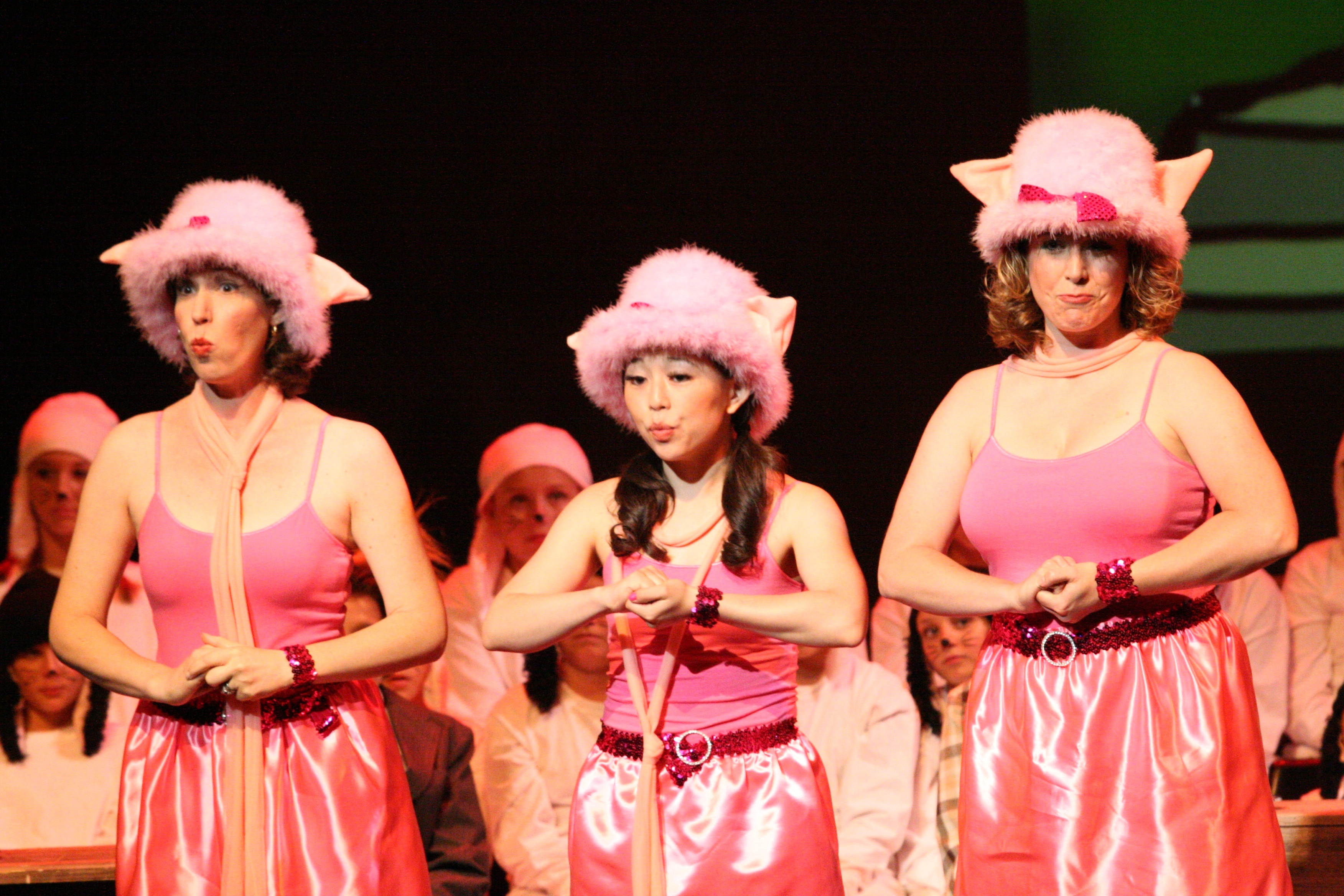
Harmetz (far L) played the piggy who built her house of sticks in The Three Piggy Opera.

Pre-show routine: I keep stress and talking to a minimum. I’ll do some gentle physical activity, like walking, and eat an early dinner at 4 p.m. Shows are usually right at dinnertime, but I can never eat for an hour or two before I perform.

First thing you do after a show: Eat. I’m very quiet.

Where were your first gigs? While getting my Master’s, I did lots of “gigging” at weddings and nursing homes – anywhere they’d pay me. That gave me a taste of the industry, so after school, I began doing solo concerts at upscale retirement facilities.

Do you still sing at weddings? Not as much. There’s too much classical crossover music.

Go-to songs: “I Could Have Danced All Night” from My Fair Lady, “Can’t Help Lovin’ Dat Man” from Show Boat, and “Musetta’s Waltz” from La Boheme.

Are those what you sing in the shower? I don’t sing in the shower – or the car, for that matter. Whenever I sing, I have to be very focused on the task at hand.

Watch Elizabeth as Cleopatra in Julius Caesar:

Dream job in high school: I wanted to be the first professional women’s baseball player. By 18, though, I wanted to be an internationally renowned opera singer.

Best part of your job: The sheer joy of being immersed in a character and a production.

Worst part of your job: Constant rejection. That’s the other part that people don’t think about – they don’t understand how challenging the industry is. It’s very hard to be older than 30 in this job, because most operas want that “young” perception.

Doesn’t your voice progress with age? That doesn’t matter as much anymore.

How do you stay optimistic? [Singing opera] is my calling, so I don’t have a choice. I’m going with the needs of my soul, and I also enjoy supplementing my income with teaching voice lessons.

As Cinderella’s evil stepmother (R) in "Into the Woods," at the Lyric Theatre in Los Angeles.

Is the saying “It’s not over ‘til the fat lady sings” actually used in the business? The fact of the matter is, most singers aren’t fat anymore. International opera companies are transmitting performances in high-definition to movie theaters, so looks are becoming more and more important.

Favorite Broadway show: That’s too hard – I’ve seen hundreds! The first one I ever saw, though, was Annie, with the original cast. That gives you an idea of my age.

Favorite singer: Patti LuPone.

If you had unlimited money and resources, what business would you start? A scholarship fund for older, struggling sopranos – people who age out of competitions.

LAUNCHING YOUR CAREER>>
1. Many large regional operas have young artist development programs, which are fantastic introductions to the industry. The cutoff age is usually 30 or 35. [Check out The Metropolitan Opera’s program here.]

2. Focus on opportunities that have impact and meaning. Playing at retirement homes brings people such joy – it’s a wonderful feeling. I also love performing with a group called Once Upon An Opera, which brings classical music to children.

3. If you feel that singing is in your blood, then never give it up. Never stop working on your craft.

All photos courtesy of Elizabeth Harmetz.

EVEN MORE No Joe Schmos who sing: The Elvis Impersonator and the Hot, Young, & Single Circus Ringmaster.

The Monster Truck Driver

"I'm very to the point," Jon Zimmer says. "And I expect everyone around me to work like I do."

Since high school, Jon Zimmer knew that racing was in his blood. Over the years, he’s transitioned from a dirt bike to a 10,000 lb. monster truck with an engine equivalent to that of eight Toyota Camrys.

Zimmer belongs to a four-person monster truck team, Sudden Impact Racing, which is one of the largest independent teams in the country. They schedule 40 to 53 shows per year across the United States, meaning Zimmer is constantly on the road, away from his wife and kids. Below, Zimmer chats about flipping over in his truck, reaching local celebrity status, and loving Pawn Stars.

Age: 33
Graduated from: Vergennes Union High School in Vermont. I didn’t go to college.
In the industry for: 11 years
Salary: Between $30,000 and $50,000/year
Truck costs: More than $150,000 to build; easily that much to run for one year
Previous jobs: Farmer; construction worker; carpenter

What led you to monster trucks? A lot of [monster truck drivers] grow up doing lots of sports, but I spent high school on dirt bikes and four wheelers. We didn’t really have sports in my town, so it was all about being able to drive anything that was put in front of you. Racing is in my family’s blood.

Zimmer's Amsoil Shock Therapy gliding over a lineup of crushed cars.

How you got the job: During my honeymoon, I happened to meet Dennis Anderson, who owned the famous Grave Digger monster truck. Through Dennis, I met a team in Philadelphia, and I began working for them full-time as a mechanic and learning everything I could about monster trucks. During a show five years later, one of the guys on the team said to me, “Okay, you’re driving today.” Apparently, I did well.

Was your wife mad that Anderson hijacked your honeymoon? [Laughs.] She was – and always has been – very supportive. She’s awesome enough to let me do this for a living.

Do you have kids? Yes, a daughter who’s 19, and a son who’s 11. For the past few years, my son has been spending his summers on the road with me. He’s really taken an interest in the mechanics.

Is driving a monster truck like riding a bike – once you know how, you always know how? Each is a little different. But every monster truck is the same in the sense that they are 12 feet high, 12 feet wide, weigh about 10,000 pounds, and have an average of 1500 horsepower. The tires are about 66 inches. My team, Sudden Impact Racing, owns four trucks – and I can pretty much drive all of them.

Do you mostly compete in races or do solo shows? There are two kinds of monster truck events. The first is side-by-side racing over cars. The second is 90 seconds of freestyle, when a truck is on the track by itself with tons of different obstacles, from airplanes to boats to mobile home trailers.

Watch Jon Zimmer freestyle on the track:

Where did the name of your truck, Amsoil Shock Therapy, come from? [Motor oil company] AMSOIL is one of my major sponsors, and “Shock Therapy” is the name of one of their oils.

Truck decorations: Reds, blues, lightning bolts – it’s a very busy paint job.
Number of shows per year: 40 to 53, which is extreme. Most teams do 20 to 30.

What goes through your head right before a big race? I don’t get nerves anymore; I put it in my head to go out there and have fun.

Do people recognize you from your TV appearances? Since I’m from a very small town in Vermont, I didn’t really advertise what I did for a living. But now, since I’ve been on TV shows, people in the neighborhood will tell me they saw me on the Speed Channel. My wife gets a kick out of that.

Best part of the job: The crowds and fans. For example, we’ll go to Jacksonville and race in front of 74,000 people in one night. It blows my mind how much the fans know about us.

Hardest part of the job: Traveling and being away from my family. There was a period of five or six years when I was only home for a total of one month.

Zimmer standing alongside his truck before a show.

Something people don’t know about the job: There’s still a perception that monster truck driving is a redneck, backwoods, fair-type atmosphere. It’s not – and you might not realize that until you go to big shows. This is a full-time job for a lot of us.

Racing gear: Fire-protected underwear; full fire suits; and fire gloves. You sweat your butt off, but if you catch on fire, you’ll be able to get out.

Have you been injured on the job? Other than an occasional sore back, no. You can flip over and crash in these trucks, and you’ll be fine. They are shock resistant, and the seats are customized. It’s safer than any NASCAR race car.

What straps you in? A five-point harness with custom-built feet. Most of us also wear helmets. The rulebook is unbelievably [strict] – motor truck racing is the only motor sport controlled by kill radios.

Kill radios? An official can shut my car off at any time when I’m driving – like if I’m rolling over and there’s a fire I don’t know about. I’ve flipped over and been shut off about 10 times.

Career goal: Ultimately, I’d like to win the World Finals, which are held every March in Las Vegas, Nevada. Only the 24 best trucks are invited, and I’ve been there the past two years.

What did you wish you had known going into the industry? I grew up on work ethics and was never lazy, but I didn’t realize how much work this job entails. We’re not just playing on weekends and crushing cars and going home. It’s constant – there’s never a time you can just walk away from your truck.

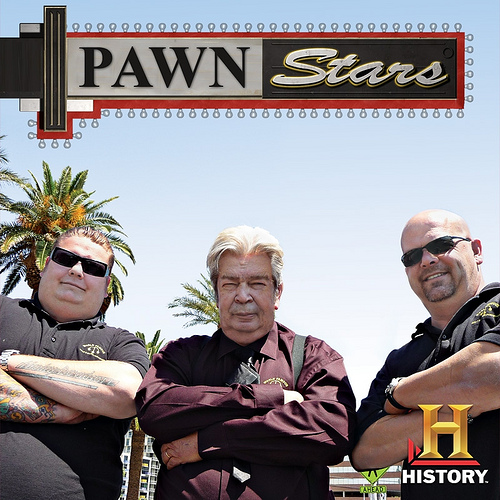
ZImmer would "love to own the place in Pawn Stars," he says. Photo credit: newsrealblog.com

If you could be the star of any TV show, which would it be? Pawn Stars.

Most important monster truck lesson: Brain-to-foot control is extremely important. Because of the huge engine, you can basically make a monster truck do anything with your right foot.

LAUNCHING YOUR CAREER>>
Driven to drive? Jon Zimmer reveals three keys to the sport.

1. Consider attending a University Technical Institute (UTI) or other technical school right out of high school. UTIs offer programs to go straight from schooling into the Monster Jam series.

2. Go to shows and meet the drivers. Most will try to visit with everyone who wants to talk to them, so be persistent.

3. If this is truly what you want to do, build a solid work ethic and be prepared to constantly work your tail off. When things are bad, just put your head down and push through it.

Unless specified otherwise, all photos courtesy of SuddenImpact.com. Check out more team photos and videos on the team’s website!

PLUS: Are you interested in filming monster trucks instead of driving ’em? Meet Alexis Boling, a freelance filmmaker (and previous No Joe Schmo!) who’s working on a documentary called “French Monster Trucks.”

Foodie Friday: The Competitive Eater

During a photo shoot for the documentary about Conti's eating endeavors.

Crazy Legs Conti holds world titles in string beans, pancakes and bacon, beef brisket, and Twinkies. At age 40, he can eat 348 oysters in eight minutes.

Crazy Legs, as he identifies himself on his tax forms, is a top-ranked professional eater with the International Federation of Competitive Eating and the subject of the documentary “Crazy Legs Conti: Zen and the Art of Competitive Eating.”

Extreme eating has exploded over the past few years, especially with Nathan’s Famous Fourth of July Hot Dog Eating Contest in Coney Island, N.Y. – the Super Bowl of competitive eating. Until this year, Conti participated in the contest nine times in row.

Age: 40
Weight: 230 lbs.
Graduated from: Johns Hopkins University
In the industry for: 10 years
Previous jobs: Window cleaner; nude model for studio art classes; independent screenplay writer
Real name: I’ve gone by Crazy Legs for more than 20 years; it’s the name I pay my taxes under.

Your day job: Every competitive eater has a day job to pay the bills. I’m the beverage manager at two Manhattan strip clubs, Scores and the Penthouse Executive Club, where I order all the booze and beer. So I get free drinks at that job, and free food from competitive eating.

When did your enthusiasm for eating start? I’ve always eaten as many Maine lobsters and Maryland crabs as I could get my hands on – I think I ate my first oyster at age 1. My dad and uncle would slide them to me across the table.

How did you transition from enjoying food to eating competitively? In the mid-90s, competitive eating was much more of a subculture, and I was an avid spectator. That was my entry point. I traveled to New Orleans and ate 34 dozen oysters at the Acme Oyster House, which put me on the path.

Pre-contest rituals: The morning of a contest, I’ll drink a glass of fruit juice and nothing else. Leading up to it, I’ll eat mostly soft, malleable foods, but it really depends on what the contest is for. If it’s a meat-eating competition, I won’t eat meat for a week beforehand.

And what about mental preparation? It’s all a mental game. You need a strategy going in; figure out how quickly you can eat one of the food item, and then extrapolate it.

Watch the trailer for Conti’s documentary, “Crazy Legs Conti: Zen and the Art of Competitive Eating.”

Why do you think the sport draws such huge crowds? It causes a visual reaction – even if you’re mortified, you can’t look away. In the simplest sense, competitive eating is a big communal meal like Thanksgiving. People bond over food.

When you’re not downing 29 dozen oysters, what does your normal diet consist of? Lots of oatmeal, flaxseed, and quinoa. I’d like to eat Eggplant Parmesan and French toast every day, but I try to stay in shape.

Any health problems? Nope. I jog, and have even run a few marathons.

Did you participate in Nathan’s Famous Fourth of July Hot Dog Eating Contest this year? This was the first year in nine years that I haven’t qualified; I would have been the first eater in the 96-year history of the frankfest to qualify 10 years in row. I wrote an article for FoodRepublic.com about that.

During competitions, it's "mind over stomach," says Conti.

How does the qualification process work? There are three rounds, in 12 or 14 locations across the United States and overseas. Other smaller competitions have runoffs.

Is there camaraderie among eaters at the table? It’s like a brotherhood of the stomach. At the table, we’re fierce competitors, but afterward, we’ll all go out and run up a big bar tab.

Your last meal on Earth would be: Maine lobster, Gulf oysters, and my dad’s strawberry rhubarb pie.

Most rewarding part of the job: I traveled with Major League Eating to various naval bases, including Guantanamo Bay, to entertain the soldiers.

Worst part of the job: The food hitting your stomach that night or the next morning. You forget what it’s like to ingest 100 Buffalo wings in 12 minutes until you’re lying in bed.

Where do you see yourself in five to 10 years? I hope to host a food-related show on TV and travel on someone else’s dime. Wherever I am, though, I’ll be sure to have a big breakfast in front of me.

Favorite celebrity chef: I’ve been reading a lot of Anthony Bourdain lately. But my favorite is Patrick Bertoletti, who is a chef and a competitive eater.

Conti enjoying Coney Island after wolfing down hot dogs at the Nathan's contest.

Weirdest foods you’ve tried: I’ll try anything once. I ate horse in Italy; hufu, which is tofu that tastes like human flesh; and fugu, a fish in Japan that contains deadly poison. I also once ate whale, which looks like beef, but has a spongy, fishy texture – I don’t recommend it.

Is there anything you haven’t tried? I read about these bats that people eat in Korea, but I think they have lots of neurological diseases.

Proudest moment: I ate my way out of an eight-foot box of popcorn at the Tribeca World Premiere for my documentary. After that, I was dubbed the “Houdini of Cuisine-y” and the “David Blane of the Alimentary Canal.” Another stunt I’m not as proud of involved me climbing out of a window in Chelsea [in Manhattan, N.Y.] while wearing a Speedo and proceeding to eat 12 donuts in three minutes. I got a lot of strange stares.

Biggest food quirk: I’m anti-condiment. I like food in its purest form.

LAUNCHING YOUR CAREER>>
Crazy Legs offers 3 tips on eating your way to the top.
1. Visit MajorLeagueEating.com and find events in your area to attend.
2. Identify a food you love, eat too much of it, and see if you still like it the next day. Then find a bar that has pickled eggs in brine, and see if you can eat 10 of them without throwing up.
3. Read The Inner Game of Tennis – it will give you a mental edge.

Click here for more Foodie Fridays! All photos courtesy of Crazy Legs Conti.